
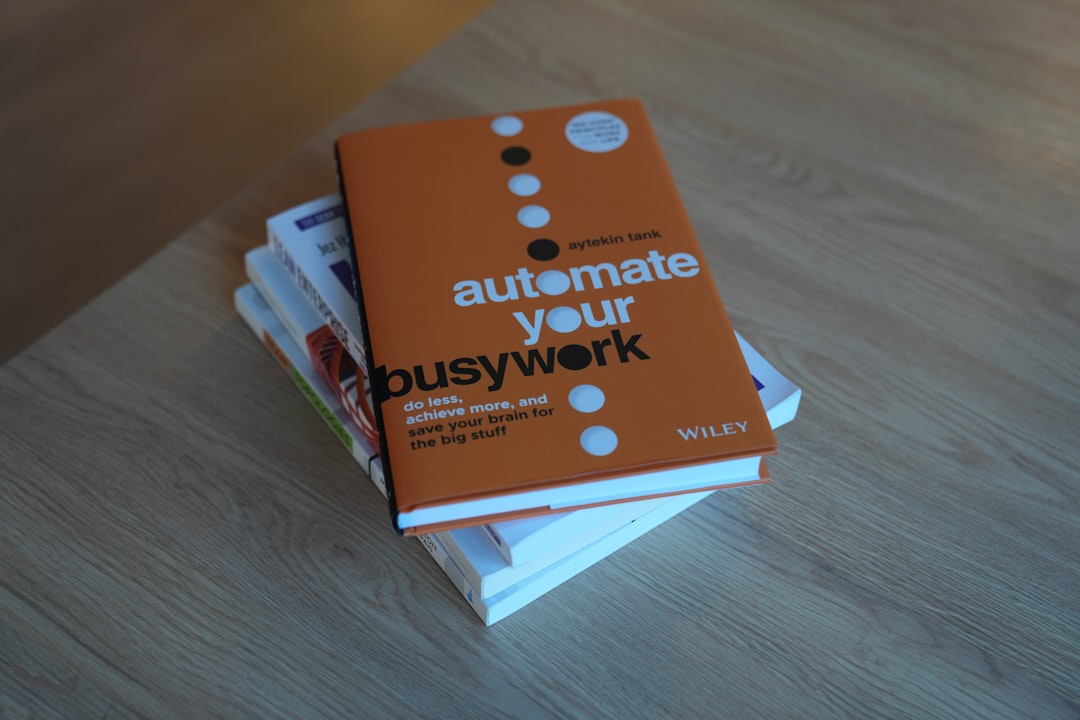
The promise of automation starts now
What if the repetitive work finished itself while you focused on strategy and creative problem solving? That is the practical power of automation: fewer manual steps, faster outcomes, and happier teams. With automation, your business can move from firefighting to momentum. Whether you lead a startup or a global enterprise, the right automation can turn slow, error-prone tasks into smooth, predictable workflows.
This ultimate guide shows you how to identify high-impact opportunities, choose the right tools, design reliable processes, and measure results. You will find clear examples across departments, common pitfalls to avoid, and practical tips to help you build momentum from day one.
What is automation?
At its core, automation is the practice of delegating repeatable work to systems so people can focus on higher-value tasks. Instead of clicking through the same screens, copying data between tools, or chasing approvals, you define rules that trigger consistent actions. Done well, automation reduces busywork, shrinks cycle times, and improves quality across your entire operation.
There are two broad styles. Rules-based automation follows clear instructions: when a condition is met, do a specific action. AI-enhanced approaches add intelligence to handle fuzzier decisions, such as classifying emails or extracting data from documents. Most teams benefit from a mix: simple rules for predictable tasks, and machine learning where variability is high.
Automation, integration, and orchestration
It helps to distinguish the layers. Integration connects systems so data flows between them. Automation applies logic to trigger actions without human intervention. Orchestration coordinates multiple automated steps across apps, teams, and approvals to deliver an end-to-end outcome. Think of integration as the plumbing, automation as the engine, and orchestration as the conductor ensuring everything works in harmony.
Why automation matters: benefits that compound
- Speed and consistency: Automated workflows run instantly and the same way every time, eliminating delays and variability.
- Fewer errors: Reducing manual data entry and handoffs lowers the risk of mistakes that create rework and compliance headaches.
- Lower costs: Less time on repetitive tasks means more time for analysis, creativity, and customer-facing work.
- Scalability: When demand spikes, automation absorbs volume without burning out your team.
- Better experience: Customers get faster responses; employees get clearer processes and fewer bottlenecks.
- Auditability: Automated steps are logged, making compliance checks and reporting simpler.
Individually, these wins are helpful. Combined, they compound. Small cycle-time reductions across dozens of processes can unlock hours every week, and those hours turn into new products launched, customers retained, and revenue protected.
Common types of automation
- Business process automation: Streamlining multi-step tasks like approvals, onboarding, and renewals by mapping the flow and automating each step.
- Robotic process automation: Using software bots to mimic keystrokes and clicks in systems that lack modern APIs, especially for legacy applications.
- Workflow automation: Triggering actions across tools based on events, such as submitting a form or updating a record.
- Marketing automation: Running targeted campaigns, lead nurturing, and behavior-based messaging without manual effort.
- Sales automation: Routing leads, assigning tasks, logging activity, and keeping pipelines updated with minimal touch.
- IT automation: Provisioning accounts, managing tickets, and enforcing policies to reduce toil and improve reliability.
- Customer service automation: Triage, routing, knowledge suggestions, and proactive notifications to speed resolution.
Most organizations start with a few quick wins in one area and expand as skills, governance, and confidence grow.
Is automation right for this task?
Not every process is a good candidate. As a rule of thumb, target work that is repetitive, rules-based, high volume, and prone to errors if done manually. Avoid building on shifting sand; if a process changes daily or depends on constant judgment calls without clear criteria, stabilize it first and only then consider automation.
- Inputs and outputs are clearly defined and measurable.
- Exceptions are rare or can be routed to a human quickly.
- Systems involved are accessible via API or stable interfaces.
- The business impact of saving time or reducing errors is meaningful.
How to get started with automation
- Inventory your processes: List candidate workflows across teams. Capture volumes, average handling time, pain points, and error rates.
- Score by impact and effort: Prioritize quick wins that combine high benefit with low complexity. Use a simple matrix to align stakeholders.
- Map the current state: Document each step, system, input, output, and decision. Identify waste, rework, and unclear ownership.
- Design the future state: Remove unnecessary steps, define triggers, approvals, and SLAs, and specify what success looks like.
- Select tools: Match needs to capabilities. Choose platforms that integrate well with your stack, meet security requirements, and are easy to maintain.
- Build a pilot: Start small. Prove value on a contained use case, collect feedback, and iterate before scaling.
- Train and launch: Communicate the why, provide simple guides, and make it easy to report issues or suggest improvements.
- Measure and improve: Track cycle time, error rate, throughput, and satisfaction. Tune triggers, alerts, and exception handling regularly.
Choosing the right tools
Start by clarifying who will build and maintain your workflows. If the goal is to empower business users, look to no-code platforms with templates, guardrails, and strong connectors. If you must interact with legacy systems that lack APIs, consider RPA suites. When cross-application logic and data transformations are central, integration platforms may fit best. Whatever you pick, ensure transparent pricing, robust governance, reliable logging, and vendor support that grows with your roadmap for automation.
Security, risk, and governance
Treat automated workflows like any other critical system. Centralize credentials, apply least-privilege access, and rotate keys. Keep personal and sensitive data encrypted in transit and at rest. Establish change control and versioning so updates are tested before production. Build a simple approval process for new flows, and avoid shadow automation by giving teams a sanctioned place to experiment with appropriate oversight.
Real-world examples you can implement
Finance and accounting
Invoice approvals: When a new invoice arrives, automatically extract key fields, check for duplicates, route to the right approver based on amount, and update your ERP once approved. Exceptions like mismatched POs go to an analyst with all context attached.
Expense compliance: Flag policy violations immediately, notify the employee with a friendly explanation, and send corrected reports straight to review. This replaces end-of-month scrambles with tidy, real-time control.
Human resources
Employee onboarding: A single form triggers account provisioning, welcome emails, equipment requests, and training enrollments. Managers receive a checklist with due dates, and new hires get a day-one schedule that reduces anxiety.
Offboarding: When an exit is scheduled, automatically revoke access, collect assets, notify payroll, and archive files. Clear steps reduce risk and prevent lingering permissions.
Marketing and growth
Lead nurturing: Based on behavior and fit, prospects receive tailored content, event invites, and offers on a timed sequence. Sales is alerted when engagement passes a threshold.
Webinar follow-up: Attendees get recordings, no-shows get a new invite, and qualified participants are routed for outreach. Attribution is captured automatically in your CRM.
Sales and revenue operations
Lead routing: New leads are enriched with firmographic data, scored, and assigned instantly to the right owner. Alerts prompt fast follow-up, and stale leads are recycled with a nurture track.
Deal desk: Discounts above a threshold kick off approvals with context, while standard quotes go straight to the customer. This keeps momentum without sacrificing control.
Customer support
Ticket triage: Incoming requests are categorized, prioritized, and routed. Known issues trigger auto-replies with helpful links, while complex problems are escalated with logs included.
Proactive care: When a usage spike suggests a potential problem, customers receive a friendly heads-up and a troubleshooting guide, reducing inbound volume and boosting trust.
IT and operations
Account lifecycle: Create, modify, and deprovision access based on role changes, with periodic reviews to ensure least privilege. Approvals are auditable and timely.
Incident response: Alerts open tickets, notify on-call, collect diagnostics, and post to a status channel. Humans step in where judgment matters, while the rest runs on rails.
Measuring ROI and proving value
Define a small set of metrics before you build. Track baseline numbers for cycle time, error rate, cost per transaction, SLA adherence, and customer or employee satisfaction. After launch, compare the new numbers to the baseline. Include qualitative feedback from frontline users who feel the difference in their day-to-day. For a simple return calculation, estimate hours saved times a blended hourly rate, add avoided costs from reduced errors, and subtract tool and maintenance expenses. Keep a living dashboard so stakeholders see impact at a glance and support the next wave of automation.
Common pitfalls to avoid
- Automating chaos: If the underlying process is unclear, you will scale confusion. Standardize first, then streamline.
- Over-customizing: The more special cases you add, the harder maintenance becomes. Favor simple rules and clear exceptions.
- Ignoring people: If teams feel automation is done to them, adoption stalls. Co-design with users and explain the why.
- Brittle dependencies: Flows that depend on fragile screens or fields will break often. Prefer APIs and stable data contracts.
- Poor documentation: Keep a one-page brief for each workflow: purpose, owner, triggers, steps, exceptions, and KPIs.
- Set-and-forget: Business needs evolve. Review quarterly, retire what no longer adds value, and refine what does.
Advanced approaches and what is next
- Process mining: Use system event logs to visualize actual flows, find bottlenecks, and quantify where automation can help most.
- Human-in-the-loop: Blend machine speed with human judgment by pausing for approvals or reviews at key decision points.
- AI assistance: Classification, summarization, and data extraction can make rule design simpler and outcomes smarter. Keep humans accountable for final decisions in high-stakes scenarios.
- Center of Excellence: A small team sets standards, templates, and training so business units can build safely and consistently.
- Natural language builders: Emerging tools let you describe a workflow in plain English and generate a draft for review, making it faster to experiment and iterate with automation.
Practical tips for lasting success
- Start with clarity: Write down the problem, the trigger, the desired outcome, and who benefits. Alignment prevents scope creep.
- Design for exceptions: Decide upfront what should stop, what should notify, and what should route to a human.
- Keep ownership visible: Every workflow needs an accountable owner and a backup. Publish contacts and review schedules.
- Build reusable pieces: Create shared connectors, templates, and naming conventions so future work is faster and safer.
- Communicate wins: Share before-and-after metrics and user stories. Success attracts support and resources.
Conclusion: turn momentum into advantage
Modern businesses win by combining clear processes, capable people, and smart systems. Thoughtful automation ties those strengths together, freeing teams from repetitive work and creating a foundation for scale. You do not need a massive program to begin. Pick one important workflow, map it clearly, launch a simple version, and measure the impact. Then repeat on the next candidate, applying what you learn each time.
Ready to put this guide into action? Choose one high-friction task this week and scope a pilot. Invite the people who live the process every day, define success, and build a small, reliable win. With each step, you will build confidence, unlock capacity, and create a culture where smart automation powers your growth.
💬 Contact Us
Have a question or want to learn more? Send us a message!