Your WordPress blog doesn’t need more posts. It needs a system that turns search demand into leads and sales on autopilot. That is exactly what Aithor builds for you: a conversion-focused automation engine that finds profitable keyword clusters, maps them to your offers, publishes and interlinks at a steady cadence, and attributes revenue in a single ROI dashboard. Five-minute setup. No juggling tools. Clear results.
The problem: content without conversions
Publishing every week and still not seeing pipeline? Most WordPress sites treat the blog like a newsroom—lots of motion, little money. Posts go live without being tied to a form, booking, call, or product. Internal links are random. CTAs are generic. The result is content that ranks (sometimes) but rarely converts.
Aithor closes that gap with cluster-to-offer automation. Each keyword cluster is connected to a specific business outcome in WordPress: a service inquiry, a calendar booking, a click-to-call, or an add-to-cart. That means every article is built to capture demand, not just describe it.
The automation flywheel
Aithor turns competitive research into a continuous loop of content, links, and measurable outcomes. This automation runs 24/7 so you compound results without adding headcount.
Competitor & SERP gap finder
It starts with market intelligence. Aithor scans competitors and live SERPs to identify clusters you can win fast. Signals include:
- Search intent and commercial fit (informational vs. transactional)
- Ranking difficulty and content depth required
- Competitor coverage gaps and outdated pages
- Local modifiers and long-tail variants with buying language
Clusters are prioritized by likelihood to rank and convert, so your automation goes after outcomes, not vanity impressions. For a deeper strategy lens, see Automation ROI for WordPress SEO: Turn Competitor Insights into Always-On Traffic.
Cluster-to-offer mapping
Next, each cluster is attached to your closest money action. For service businesses, it might be a consultation form, booking widget, or click-to-call. For e‑commerce, it’s the product or category page. Aithor’s automation inserts prebuilt CTA blocks and anchor links that match the reader’s intent:
- Top-of-funnel guides with soft CTAs (download, newsletter, quiz) that capture emails
- Mid-funnel comparisons with decision CTAs (book demo, view pricing, call now)
- Bottom-funnel pages with direct CTAs (add to cart, buy now, schedule today)
Because mapping happens automatically at the cluster level, every post has a defined conversion path from day one.
Human-sounding article generation
With the targets set, Aithor’s niche-trained SEO article generation produces natural, brand-consistent posts. Each piece includes:
- Clear on-page structure (H2s/H3s, scannable bullets, strong intros)
- Built-in FAQs that answer intent-adjacent questions
- Schema-appropriate elements and local cues for geo relevance
- Voice and tone tuned to your brand guidelines
You get publishing-ready content that reads like it was written by your team—because the automation is trained on your niche and style.
Automatic publishing & internal linking
Posts are scheduled and published automatically to your WordPress site. At the same time, Aithor builds a smart internal link graph:
- Links flow from new posts to pillar, service, location, and product pages
- Anchor text matches the mapped keyword themes and buyer intent
- Orphan pages get surfaced; thin pages get reinforced or redirected
This internal linking automation passes topical relevance and authority to the pages that make you money. If you want a tactical walkthrough, read How to Automate Your WordPress Blog: A Step-by-Step Guide to AI-Powered Publishing.
Conversion tracking and iteration
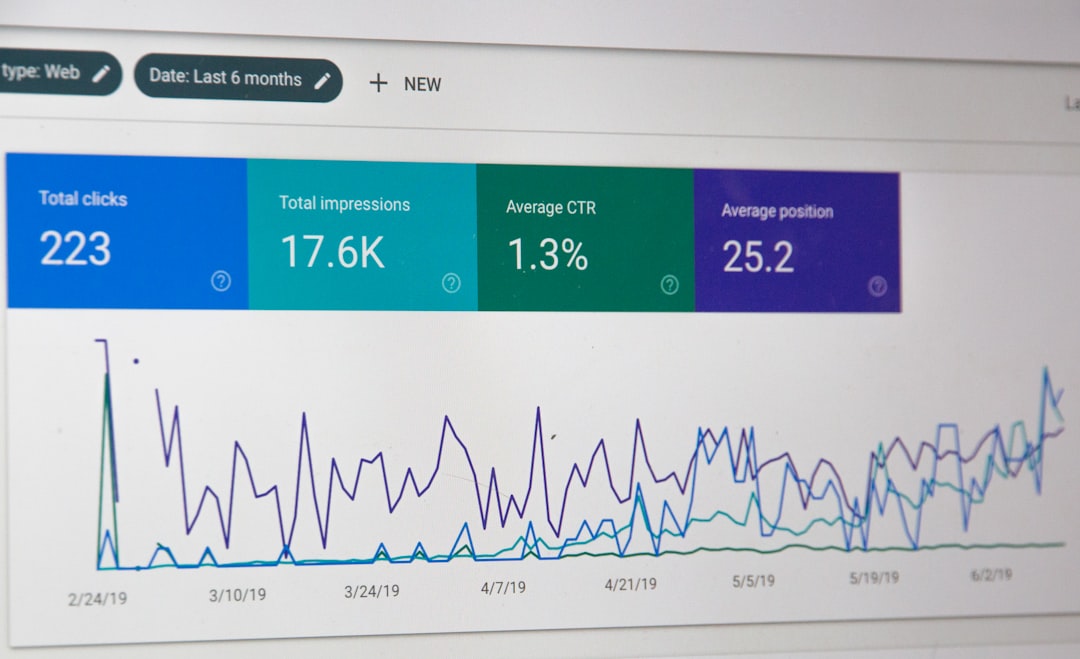
The ROI dashboard connects the dots. You see impressions, clicks, assisted clicks, and hard conversions by post, cluster, and CTA. The automation tests and adjusts anchors, button copy, and placements based on observed behavior—so conversion rates move up over time without manual tinkering.
WordPress-first integration
Aithor is built to live inside WordPress, not bolt onto it. Connect once; the automation handles content, linking, and analytics within your existing stack.
One-click connect & design sync
Free setup scans your site and mirrors your typography, colors, and components—so posts look native on day one. No theme rebuild, no layout mismatches. The design sync automation preserves brand consistency while you scale output.
Works with your stack
Whether you’re on Gutenberg or Classic, WooCommerce or Easy Digital Downloads, Contact Form 7, Gravity Forms, Fluent Forms, or WPForms—Aithor plugs in. It also plays well with Yoast and Rank Math for metadata, sitemaps, and breadcrumbs. The goal: keep your current tools, let the automation do the heavy lifting around research, writing, and publishing. For speed-to-impact strategy, explore AI Content Marketing for WordPress: Rank Faster, Convert More.
Safe permissions & controls
You decide the guardrails. Granular permissions limit what Aithor can view or change. Draft/approve modes, scheduling windows, and one-click rollbacks keep you in control while still benefiting from always-on automation.
Local services: calls and bookings on autopilot
Dentists, realtors, and trades live and die by the phone. Aithor’s geo-aware automation spins up location-modified content that targets high-intent queries like “emergency plumber near me” or “best family dentist in [city].” Each post routes readers to click-to-call buttons, booking widgets, or location pages. Practical examples include:
- Service explainer with before/after photos and a “Call in 30 seconds” sticky bar
- Neighborhood guide that interlinks to your local office page and scheduler
- Pricing FAQ with an instant quote lead form embedded mid-article
Because the CTA mapping is automated, your calendar fills from organic traffic without constant micromanagement.
E‑commerce: from blog to cart
For stores, the mission is simple: turn discovery into add-to-cart. Aithor’s automation weaves relevant product mentions, comparison tables, and “Shop this look” modules into content. Internal links push authority to category and product detail pages, while the ROI dashboard tracks:
- Product clicks and assisted conversions from top-of-funnel guides
- ATC and checkout starts from mid-funnel comparisons
- Revenue by cluster and by CTA variation
Have a large catalog? Use cluster rules to automatically pair intent (e.g., “best running shoes for flat feet”) with the right SKUs and filters. For advanced scale ideas, see Programmatic SEO on WordPress: Build 1,000 High-Intent Pages with AI (Without Getting Penalized).
Agencies: hands-off scale with proof
Managing five, ten, or fifty WordPress clients? Aithor gives you multi-site controls, white-label reporting, and SLA-friendly automation that hits scope without hiring sprees. You’ll ship research, briefs, drafts, internal links, and scheduled posts across accounts in hours, not weeks—while the dashboard attributes traffic, clicks, and conversions per client and per cluster.
Quality and compliance baked in
Automation is only useful if the output is credible, on-brand, and safe. Aithor’s controls and templates keep standards high as you scale.
E‑E‑A‑T signals
Author bios, source citations, and “how we know” sections are templated per niche. The automation includes local references, practitioner quotes, and relevant stats so posts age well and build trust—key for medical, legal, and financial verticals.
Brand and legal guardrails
Set tone presets, claim restrictions, and blocklists for competitors or banned phrases. The automation respects these settings across all posts. Prefer a human checkpoint? Use draft mode and approve in batches without losing momentum.
Refresh and prune automation
Content decays. Aithor monitors rankings and click-through, then automatically refreshes slipping posts with updated data, new FAQs, and stronger internal links. Thin or overlapping posts are consolidated and redirected to preserve equity. This maintenance automation keeps your site clean and compounding.
What you’ll see in 30–60 days
The early signal is coverage: you’ll watch cluster impressions rise as the internal link graph densifies. Next, pages start climbing into the top 10, and conversion paths kick in. Expect the first leads or sales within a few weeks for lower-difficulty clusters, with steadier compounding as the automation scales publishing and link flow.
Setup to live: five minutes, then autopilot
- Connect WordPress via secure scopes.
- Pick your niches, services, locations, or products to prioritize.
- Approve CTA templates (forms, booking, call, add-to-cart).
That’s it. Aithor runs the research, writing, interlinking, publishing, and reporting. You can stay in full automation or add light approvals where it matters. If you want to see the cadence in action, our post on Top AI Content Blog Strategies to 3x Organic Traffic in 90 Days shows how velocity and intent alignment compound.
Pricing and ROI math
Most teams patch together SERP tools, AI writers, editors, link assistants, schedulers, and analytics—plus hours of coordination. Aithor replaces that stack with one fixed price, free setup, and a single ROI pane of glass. For many SMEs, breakeven happens with a handful of monthly leads or a few extra e‑commerce orders. Because the automation maps content to conversions from day one, you see what pays back, what needs iteration, and what to scale next.
Next step
If you’re ready to turn your WordPress blog into a conversion engine, start with the free blog setup and design sync. You’ll get a cluster plan, mapped offers, and a publishing schedule—then the automation takes it from there.
Ready to see results without adding headcount? Start Free (5 articles).
Frequently Asked Questions
Will Google penalize automated content if I use Aithor?
Google rewards helpful content that satisfies intent, regardless of how it’s produced. Aithor focuses the automation on value: niche-trained articles, E‑E‑A‑T elements, clean structure, and accurate citations. Posts are mapped to real user needs and updated over time. That combination is designed to meet quality guidelines while avoiding thin, generic pages.
How does Aithor map keyword clusters to my specific services, locations, or products?
During setup, you pick priority services, locations, and product lines. The automation then groups related queries into clusters and attaches the most relevant conversion action (form, booking, call, category, or product). Prebuilt CTAs and internal links are inserted automatically so each article routes readers to the right outcome.
Can I approve posts and control publishing cadence?
Yes. You can run full automation or use draft/approve mode. Set weekly or monthly cadences, quiet hours, and per-category rules. You can also pause specific clusters, adjust CTAs, or roll back changes in one click.
How are conversions tracked inside WordPress (forms, calls, WooCommerce)?
Aithor integrates with major form plugins, call tracking, and WooCommerce events. The ROI dashboard attributes clicks and conversions back to posts and clusters, so you can see which topics and CTAs drive leads, add-to-carts, and revenue.
What happens to my content and links if I pause or cancel?
Your content and internal links remain on your WordPress site. You keep full ownership. The automation simply stops publishing and updating until you resume, and you can export performance data from the dashboard at any time.
💬 Contact Us
Have a question or want to learn more? Send us a message!